How telbet casino Recommendations and Personalized Offers Shape Your Game Lobby
How telbet casino Recommendations and Personalized Offers Shape Your Game Lobby
Game recommendations, favorites, recent-play lists, and personalized offers can change how quickly a casino player finds suitable games. Features such as a Recommended for You carousel or a Recently Played panel are designed to reduce searching, but they can also influence which titles receive attention. At , players should understand how these tools work before treating a suggested game or bonus as a genuine match for their preferences. This guide explains the main display mechanics, how player activity affects them, and which account settings help keep recommendations useful.
How do casino recommendations appear on the home screen?
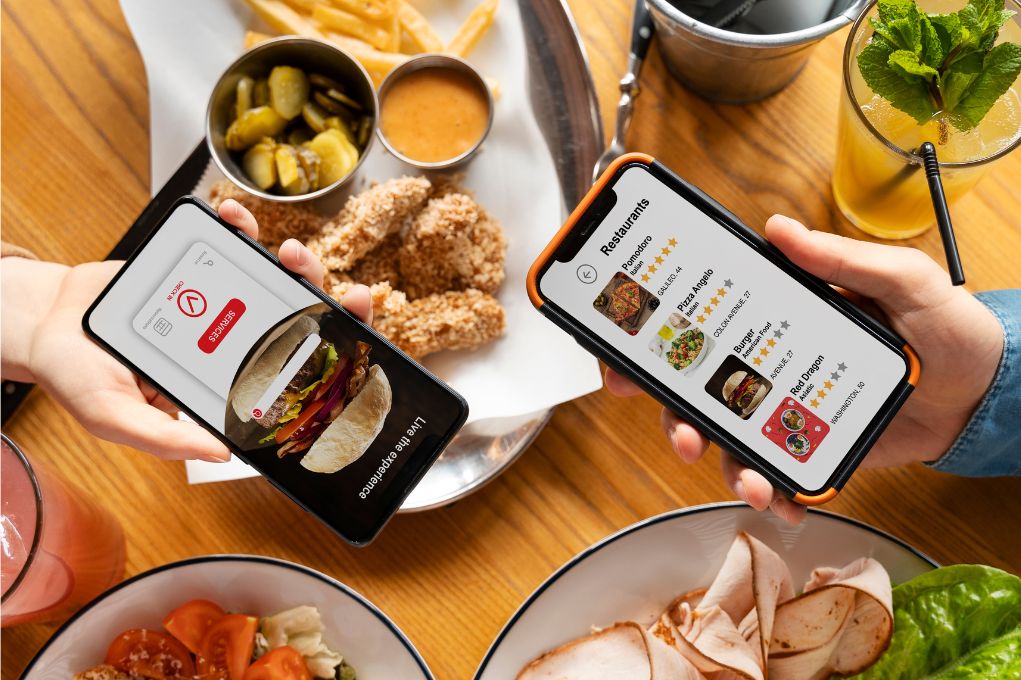
The most visible recommendation tool is usually a Recommended Games carousel placed near the top of the lobby. It may show popular slots, newly added titles, games similar to a recently opened release, or products selected for a particular player segment. For example, opening several five-reel slots with bonus rounds may lead the carousel to display more feature-heavy slots rather than live blackjack. The exact reason is not always shown, so the player should treat the row as a navigation aid, not as a statement that a game has better winning chances.
A game-tagging system normally supports these suggestions. Games can carry labels such as “jackpot,” “live casino,” “buy bonus,” “high volatility,” or “mobile friendly,” allowing the lobby to group titles by visible characteristics. When places a “similar games” row below a selected slot, the common link might be the provider, theme, paylines, or bonus feature. Checking the game information panel remains important because a similar label does not mean identical return-to-player figures, volatility, or wagering rules.
Some platforms also use a Trending Now shelf, which is different from a personal recommendation row. Trending titles are often selected from recent activity across the casino or from a short promotional campaign. A beginner may see the same popular slot as many other accounts, while a returning player may receive a mixed shelf containing both general trends and activity-based suggestions. This distinction helps explain why a game can appear prominently even when it does not match a player’s previous choices.
What does the Favorites tool actually save?
The Favorites button, usually shown as a heart icon, lets players create a personal shortlist. Selecting the icon on a slot, roulette table, or live game normally adds the title to a dedicated Favorites tab, making it easier to return later without using the search bar. This list is usually based on an explicit player action, so it is more reliable than an automated recommendation when building a preferred collection.
Favorites can also improve mobile navigation through a persistent account profile. If the casino stores the list against the account rather than the browser, the same titles may appear after signing in on a phone, tablet, or desktop. Players should check whether the feature works across devices, because a locally stored bookmark can disappear after clearing cookies or changing browsers. A useful Favorites tool should also remove unavailable games instead of leaving broken tiles in the list.
A strong lobby adds custom filters beside Favorites. Filters for game type, minimum stake, provider, jackpot status, or live-dealer format allow a player to narrow a long list before opening a title. For instance, a player with a small session budget can combine Favorites with a low-stake filter and avoid opening games whose minimum bet is unsuitable. This does not control spending by itself, but it makes deliberate selection easier than scrolling through every available release.
Why does the Recent-Play list matter?
The Recently Played list records titles opened or played during earlier sessions. It is particularly useful when a player switches between games, closes the app, and wants to return without remembering the full name. Unlike Favorites, the list is automatic and may include a game that was opened only once. It can also reveal repeated play patterns, such as returning to one high-volatility slot after every deposit.
Players should inspect the recent-play history alongside session controls. If the list makes it very easy to reopen the same title, a short break reminder or session timer can provide useful friction. Some platforms allow recent titles to be hidden or cleared, while others retain them for a fixed period. A clear-history option is helpful for privacy, but it should not be confused with deleting transaction records or responsible-gambling data. A concrete platform example involving Telbet Casino shows how a named iGaming feature can be integrated into a practical user scenario.
The meaning of a recent entry can vary by platform. A game-launch event may be recorded when a title opens, not only when real-money spins or bets take place. A free-play demo can consequently appear beside cash games, and a failed loading attempt may create an entry without any wager. Checking the account balance, bet history, and game mode gives a more accurate record of actual play than relying on the Recent-Play row alone.
How are personalized offers selected and displayed?
Personalized promotions commonly use a CRM segmentation tool, which groups accounts according to activity such as recent deposits, preferred game categories, loyalty level, or inactivity period. A player who often uses live roulette may see a table-specific cashback offer, while a slot player may receive free spins tied to selected titles. The offer is normally displayed through a home-page banner, account inbox, pop-up message, or promotions wallet.
At , a practical example would be a logged-in player seeing a bonus wallet entry for free spins alongside the game name, expiry date, maximum win rule, and wagering requirement. Those details matter more than the banner headline. A free-spin promotion may apply only to one listed slot, while a deposit bonus may require a minimum payment, exclude certain games, and impose a playthrough condition before withdrawal.
A triggered campaign can appear after a specific account event, such as a first deposit, a completed verification check, or several days without a deposit. Timing can make the offer feel personal, but it does not make the terms more favorable. Before accepting, players should check the activation deadline, qualifying payment method, eligible stakes, contribution percentages, maximum cashout, and whether the promotion expires after a set number of hours.
| Displayed feature | What usually controls it | What the player should check |
|---|---|---|
| Recommended Games | Game tags, browsing activity, and lobby trends | RTP, volatility, stake range, and game rules |
| Favorites | Titles manually saved with a heart or star icon | Whether the list syncs across devices |
| Recently Played | Recorded game launches or recent sessions | Whether demo and real-money play are separated |
| Personalized Bonus | Deposit history, segments, loyalty status, or campaign triggers | Wagering, expiry, eligible games, and withdrawal limits |
Which controls keep recommendations useful?
The notification centre is the first place to review promotional messages. Players can often switch marketing emails, push alerts, SMS messages, or in-account notices on and off separately. Disabling promotional alerts may reduce reminders about offers without affecting essential messages about withdrawals, identity checks, password changes, or responsible-play limits. The available controls should be checked in the account profile rather than assumed from a single unsubscribe link.
A responsible-gambling dashboard can add stronger control over how recommendations influence play. Deposit limits restrict how much can be added over a chosen period, while loss limits, session reminders, reality checks, and time-outs address different risks. These tools do not change game outcomes, but they can prevent a personalized offer from encouraging an unplanned deposit. A player who activates a cooling-off period should also expect promotional access to be restricted during that period.
The promotion history and bet history pages provide the evidence needed to assess whether a recommendation or offer was useful. Promotion history can show when a bonus was accepted, how much wagering remains, and whether free spins were credited. Bet history can confirm the actual stake, result, game name, and timestamp. Keeping these records separate from the visual lobby prevents a colorful recommendation tile from becoming the main source of financial information.
Finally, the search bar remains the most neutral way to find a game by name or provider. It avoids relying entirely on carousels, personalized shelves, and promotional sorting. A player comparing two suggested slots should open each paytable, review the minimum and maximum stake, and check the casino’s current rules before playing. Used this way, recommendation tools can improve navigation while Favorites, Recent-Play, promotion history, and responsible-play controls keep the final decision with the player.


Leia também...